 VIGA Faucet Manufacturer
A cewar rahotanni, the famous Sheraton Waikiki Hotel in Hawaii will celebrate its 50th anniversary next year. Kwanan nan, the hotel has replaced all 1,635-room toilets with smart toilets. The smart toilet will usher in a new outbreak in the US market.

Kafa a ciki 1971, Sheraton Waikiki Hotel is a four-star hotel. Tun 2019, the hotel has spent 220 million US dollars on a large-scale renovation, including the introduction of smart toilet products and bathtubs for all 1,635 dakuna. The hotel’s room manager said that the hotel will celebrate its 50th anniversary in 2021, and hopes to use smart toilets as one of its selling points. Saboda haka, smart toilets will be introduced when the hotel is fully renovated. Bugu da kari, many customers reported in the questionnaire that they wanted to use the smart toilet in the hotel, and felt that the guests have high expectations for the smart toilet, which is also the reason why the hotel decided to introduce it on a large scale.
A halin yanzu, few hotels in the United States use smart toilets or similar products on a large scale, but reports show that as the exposure of smart toilets in the United States continues to increase, more and more American families choose this product. arziki, USA Today and other media have also stated that with the outbreak of the new crown pneumonia epidemic, products such as smart toilets will usher in new development opportunities in the US market.Recently, the US Fortune website published an article titled “The new crown virus finally allows Americans to accept bidets” (ciki harda wayo, ba musamman aka bayyana a kasa). The article believes that the panic of 1907 led to the establishment of the Federal Deposit Insurance Corporation, and the stock market crash of 1929 brought the Public Utilities Administration (WPA) and the Hoover Dam to Americans, and this new crown pneumonia epidemic may Will promote the popularization of bidets.
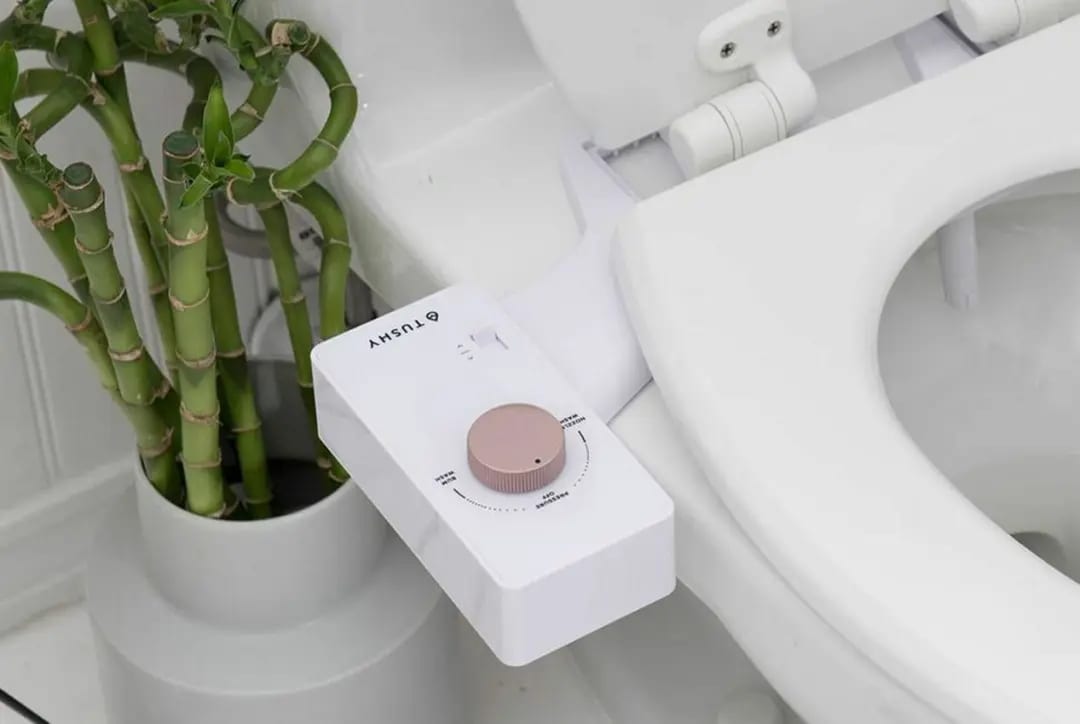
The article quoted Jason Ojalvo, CEO of the bathroom company Tushy, saying that as people look for products that can replace toilet paper, the sales of bidets in the United States have increased. In the past few weeks, Tushy’s bidet product sales have increased nearly 10 sau. On social media, Tushy even borrowed the toilet paper shortage to build momentum for its own products. One of the slogans is: “Toolet paper shortage? Sounds like a first-world problem and a first-world solution. Find a Tushy bidet. , The problem is solved.”
A related article from USA Today also expressed the same view, indicating that Americans are beginning to accept bidets or similar products. The article said that since its birth in France several centuries ago, most Americans have sneered at this product, yayin da Japan, Italy and other countries have adopted this product as the main method of cleaning after toilet, but today Americans may want it. Take this product with admiration.
An fahimci cewa a Amurka, bidets, smart toilets or similar products often share an English name (bidets). Lokacin da yazo ga bidets, smart toilets are often included. A cewar rahoton BRG Building Solutions, the current market size of bidets in the United States is approximately US$106 million, and is expected to grow by 15% ta 2021. Smart toilet products produced by TOTO and Kohler start at about US$300 in the United States. Cikin 2017, Kohler launched a questionnaire survey of local customers, and the results showed that 33% of the interviewed users expressed their curiosity about smart toilets and intended to upgrade toilets for this purpose.
It is reported that products including bidets, wayoyin hannu, da dai sauransu., were predecessor to bidets (bindet). Due to ideological reasons, the US market has not yet accepted this product on a large scale. Cikin 1964, American Toilet Company ya hada bidet da kujerar bayan gida, and added a water spray function to create a prototype of a smart toilet and spread it to Japan. Amma har zuwa farkon wannan karni, Americans were still unwilling to accept this kind of product except for the small places where celebrities like luxury hotels and Hollywood gather.
Duk da haka, with the increasing popularity of smart toilets around the world, Americans have begun to change their views. A saboda wannan dalili, A cikin 'yan shekarun nan, many smart bathroom brands have been rushing to the US market, which has greatly increased the sales of smart toilets in the United States and directly activated the local smart bathroom market.
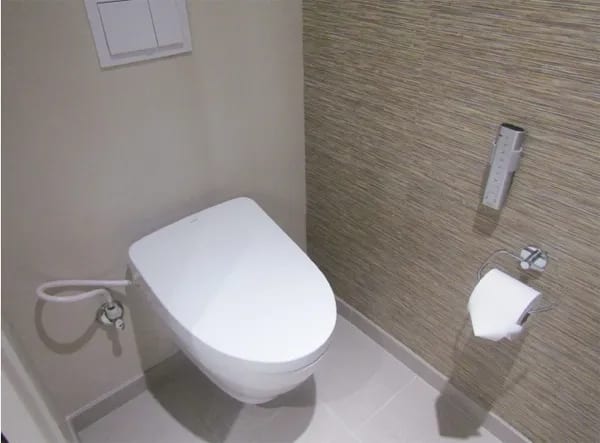
Misali, the sales of TOTO smart toilets have shown an increasing trend in the US market in recent years. Daga Afrilu zuwa Disamba 2019, TOTO’s smart toilet sales in the US market increased by 21%, which was higher than the sales growth in China (0%) da Asiya Pacific (14%) during the same period. A Mayu 2019, TOTO spent 3.7 billion yen in Thailand to build the company’s fifth global smart toilet production base. The purpose is not only to open up the Thai market, amma kuma don biyan buƙatun irin waɗannan samfuran a kasuwannin Amurka.
Kwanan nan, as the United States has become the hardest hit by the new crown pneumonia epidemic, there has been a wave of purchases of smart toilets in the local area. A Kohler spokesperson said in an earlier interview with the media that the sales of smart toilets began to pick up at the end of February. With the increase in confirmed patients in the United States, tallace-tallacen bandaki masu wayo ya karu cikin sauri a cikin Maris. TOTO ta kuma yi amfani da damar wajen tallata kayan aikinta na bayan gida, saying that it can provide a “more sanitary, paperless bathroom experience.”
Baya ga alamomin kasashen waje, Kamfanonin Sinawa na kasar Sin sun kuma binciko kasuwar wanka mai wayo ta Amurka a cikin 'yan shekarun nan. Cikin 2015, Jiumu brought its new smart bathroom products to Silicon Valley, demonstrating Jiumu’s determination to enter the international market. Bayan shekaru biyu, Jiumu chose to launch the M5 Master Craftsman series in Times Square, New York, wanda kuma ya ja hankalin masu amfani da Amurka. Bugu da kari, Dongpeng Sanitary Ware, Langjing and other companies’ sanitary ware advertisements have also appeared on Times Square to speak for China’s smart sanitary ware.
With the leap in China’s smart bathroom production technology, it has become possible to export related products to the United States in recent years. A watan Agusta 15, 2018, da 2,400 smart toilet lids produced by Zhejiang Yihe Sanitary Ware Co., Ltd. an raba kwantena biyu kuma an tura su zuwa tashar Ningbo. Bayan kwana biyu, an share su a hukumance kuma an fitar da su zuwa Amurka, becoming the first Taizhou-made smart toilets that successfully entered the U.S. market product.
It can be seen that the smart toilet, as a part of smart manufacturing, has completely eliminated the industry haze from buying toilet lids in Japan, and has also begun to leave abroad in recent years. This is of great significance in terms of the sanitary ware industry or the entire Chinese manufacturing industry.