 VIGA Korere Kaihanga
Kihini & Upoko kaukau kaukau
ASSA ABLOY, the world’s leading provider of smart locks and security solutions, recently announced that it will acquire the hardware and home division of US company Spectrum Brands for US$4.3 billion (approximately RMB27.741 billion). Spectrum Brands owns Pfister, a leading US bathroom brand that entered the China market in 2014, and it is unknown whether the acquisition will have any impact on its China operations.
Pfister Group sells hardware and home business for RMB27.7 billion
On 8 September local time, Sweden-based global security giant ASSA ABLOY announced that it had signed a definitive agreement to acquire the hardware and home division (HHI) of US-listed consumer goods company Pinnacle Group for US$4.3 billion (approximately RMB27.7 billion). The transaction is expected to close in the fourth quarter of 2021.
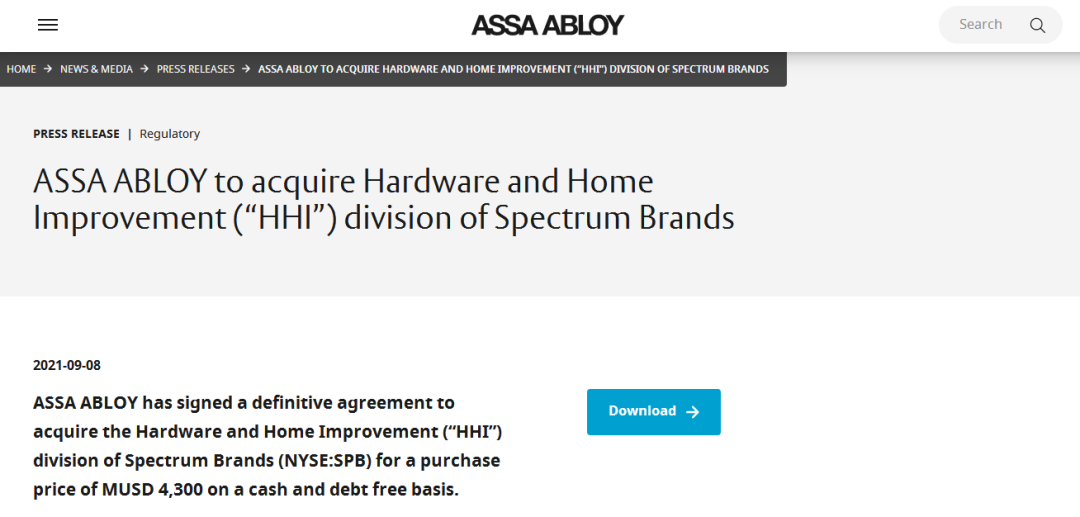
Whakaahuamata o te panui a ASSA ABLOY
E ai ki te panui, Pinnacle Group is a leading supplier of residential security, paipa me nga hua hanga whare i Amerika Te Tai Tokerau, offering a diverse range of products such as locks, faucets and decorative materials to the market. Headquartered in Lake Forest, California, HHI employs approximately 7,500 people worldwide and has offices in the United States, Mexico, Haina me te Philippines, and ASSA ABLOY’s strong partnerships with a large number of customers will also benefit from this acquisition. Pinnacle Group
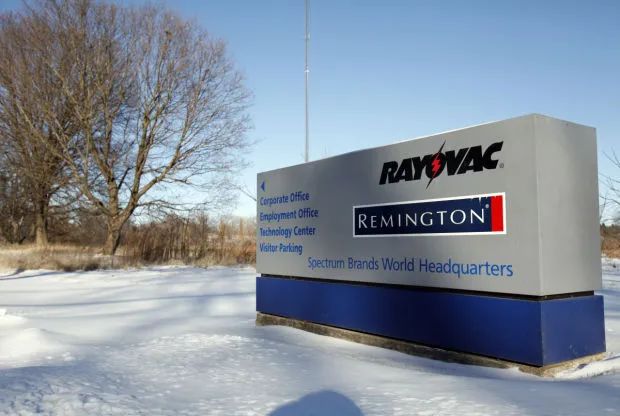
Pinnacle Group
Te korero mo te hokonga, ASSA ABLOY President and CEO Nico Delvaux said it was an excellent addition to the Group and would boost the company’s North American operations. I taua wa ano, Ko nga hua a te HHI ka kaha ake te tuunga o te maakete o te Roopu me te akiaki i te whakawhiti a te kamupene ki te whanaketanga mamati.
I tetahi atu ringa, Rawiri Maura, CEO of Pinnacle Group, noted that the sale of the HHI division was aimed at reducing the company’s debt and investing in growth. Ake ake nei, the company will acquire the Global Pet Care and Home&Nga pakihi kari, i te wa e whakanui ana i tana wehenga kaainga me te tiaki whaiaro. Mo nga take mo te hokonga o te HHI, he noted that the division’s products were “te roa me te iti o te hoko”, kaore i rite ki etahi atu hua o te roopu. It said the move would drive growth in the HHI division and “benefit consumers worldwide”. Ina tonu, the divestment of HHI follows the sale of Rayovac’s battery business to Energizer Holdings, he kaihanga pūhiko rongonui o te ao, i roto 2019.
Bathroom brands Pfister and Fortis sold in a “package”
Pfister Group is a global consumer goods company. Ko ona hua ko nga taputapu kaainga, tiaki whaiaro, pūmāmā, whare, pet and gardening. The HHI division of the group owns brands such as Kwikset, Whakaaronui, TENEI, Baldwin, Te Pūmārō a Te Motu, Pfister and Fortis. Ko te nuinga o ana hua kei roto i nga kati kuaha, kakau tatau, kaukauranga, takapu, etc.
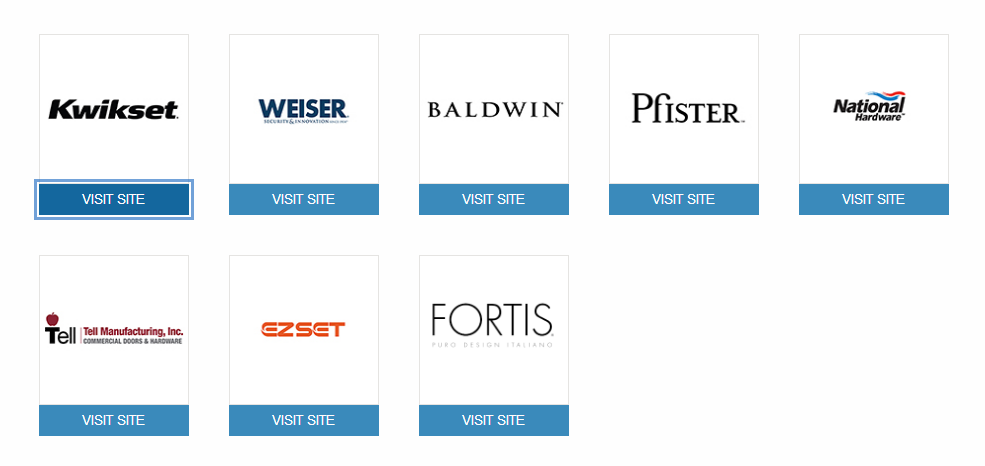
Kei roto i te waahanga HHI 8 tohu nui
I roto ia ratou, Ko Pfister he waitohu wharepaku rongonui o Amerika, whakapumautia i roto i 1910. It has been in existence for over 100 tau. The Chinese name of Pfister is ” Piao Fei”. I Mei 2014, Pfister held a launch event in Shanghai to announce its entry into the Chinese market. It currently has a flagship shop in Shenzhen. E ai ki nga korero a te iwi a AIC, the Pfister brand in China is currently operated by Shenzhen BOSBELL Household Co. The company is located in Bao’an District, Shenzhen.
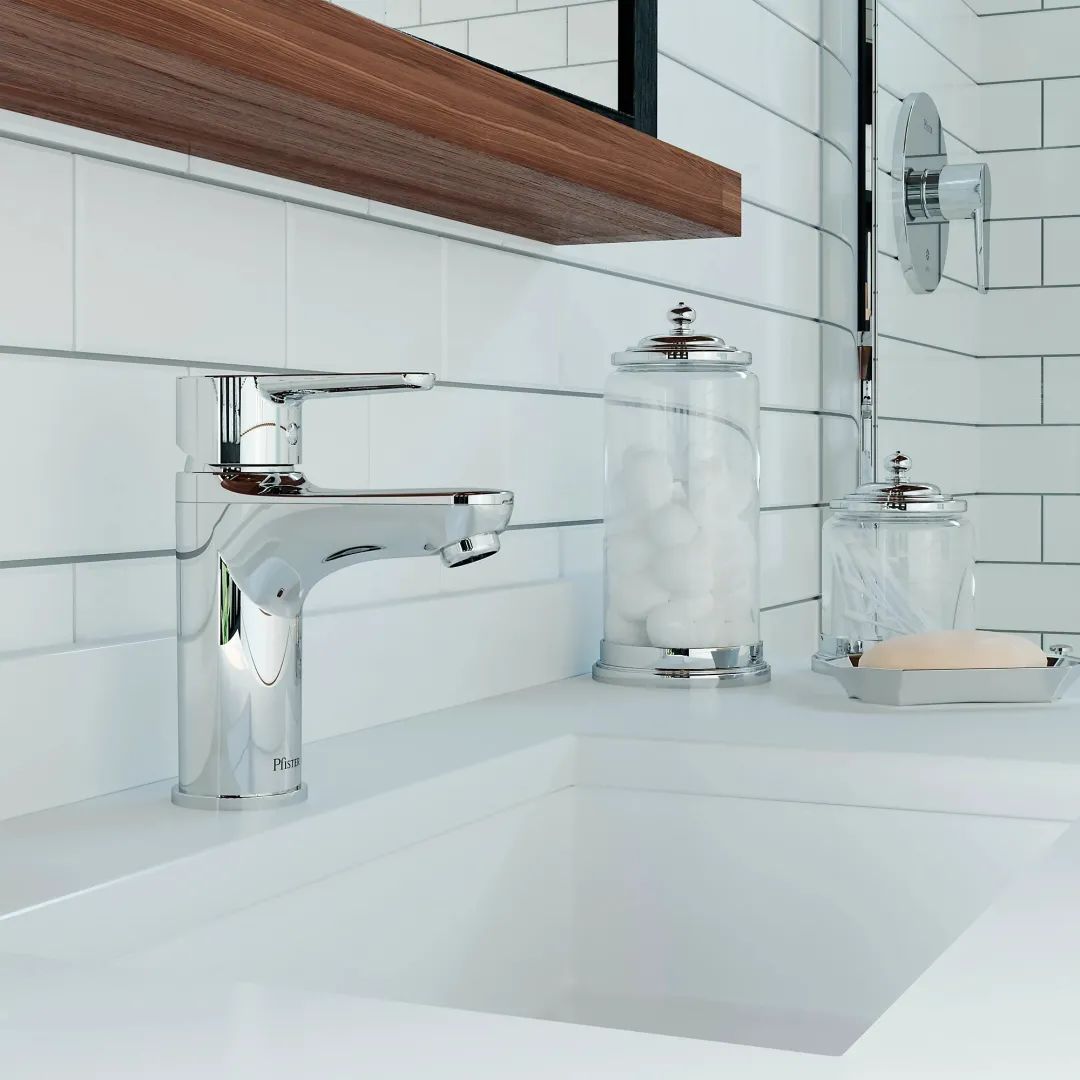
Pfister hua kōrere
Fortis, I tetahi atu taha, is an Italian brand based in the Pogno region. The Fortis product range is similar to that of Pfister and also focuses on faucet hardware. It focuses on the middle to high-end consumer segment.
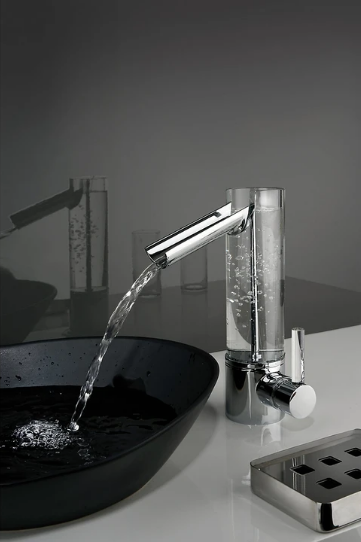
Ko nga hua o te korere Fortis
According to Pinnacle Group’s fiscal year 2020 pūrongo pūtea, the company achieved sales of US$3,964 million in the previous fiscal year, of which the HHI division accounted for US$1,342 million. I kitea e te ripoata putea ko nga hua o te wharepaku te utu 21% o nga hua o te wehenga HHI, meaning that bathroom products contributed approximately US$281 million in revenue.
A number of bathrooms, cabinet companies have sold their business or operating rights
No tata nei, many foreign bathrooms and cabinet companies have successively sold their shares or their businesses. No na tata nei i panuitia e Roca kua oti i a ia te hokonga o tana pakihi taera. The purchaser, the Mexican La Mossa Group, made the acquisition for a total of US$260 million after taking out loans of US$200 million from seven banks. I kii ano te kamupene kaukau Polish Capricorn SA ka hokona e ia ana hea katoa i tukuna ki te Hinengaro HVAC Rapa Uponor.. As for cabinetry companies, US-based Corsi also recently announced the transfer of ownership of the company from Pat Corsi to Mark Earl in a transaction that took effect on 31 Here-turi-kōkā.
I tua atu, there are also companies that are keen to transfer their operations but have had to end their operations due to the lack of a suitable transaction partner. As previously reported by Kitchen & Upoko kaukau kaukau, German cabinetry company Neue Alno had been actively looking for an investor to take over the company, but the company recently said that it had no suitable candidate for the deal. The company will end operations at the end of September and for some undelivered orders, the company will try to complete delivery. Neue Alno is said to have previously attracted the attention of Chinese real estate giant Beyoncé, but in the end the two sides did not reach a partnership. Ko te panuitanga mo te whakamutua o nga mahi kua waiho e te maha o nga kaihokohoko o te rohe me nga kaimahi i Tiamana e pouri ana mo te ahuatanga..
Review of the cabinetry, business industry development so far this year, divest secondary business and focus on the main business to become the main reason for companies to sell subsidiaries, tohu-iti. In the industry consolidation degree accelerated today, these have done subtractions for business operations and promote the practice of value growth in established areas. This undoubtedly provides a new possibility for the development of enterprises.