 VIGA Faucet Moetsi
Bathroom Business School
Haufinyane tjena, ASSA ABLOY (ASSA ABLOY), a world-renowned provider of smart locks and security solutions, announced that it will acquire the hardware and home division of Spectrum Brands Group (Mefuta ea Spectrum), e U.S. Khampani, bakeng sa $4.3 limilione tse likete (Mabapi le RMB 27.741 limilione tse likete). Spectrum Brands Group owns the famous American bathroom brand Pfister (Puffy). The brand entered the China market in 2014, and it is unknown whether this acquisition will have any impact on its China business.
Spectrum Brands Group Sells Hardware and Home Business for $27.7 Bilione
Ka September 8, Nako ea Lehae, Sweden-based global security giant ASSA ABLOY announced that it has signed a definitive agreement with Spectrum Brands Group, a publicly-traded U.S. consumer goods company. It will acquire the company’s hardware and home division (Hhi) bakeng sa $4.3 limilione tse likete (Mabapi le RMB 27.7 limilione tse likete), and the deal is expected to close in the fourth quarter of 2021.
Setšoantšo sa skrini sa phatlalatso ea ASSA ABLOY
The announcement stated that Spectrum Brands Group is a leading provider of residential security, lipeipi le lihlahisoa tsa kaho Amerika Leboea. They provide the market with diversified products such as locks, lipompo, and decorative materials. Har'a bona, HHI is headquartered in Lake Forest, California. It employs approximately 7,500 people worldwide and has offices in the U.S., Mexico, China le Philippines. HII’s strong partnerships with a large number of customers also benefit ASSA ABLOY in this acquisition.

Spectrum Brands Group
Ho fana ka maikutlo mabapi le ho fumana, ASSA ABLOY President and CEO Nico Delvaux said that it is an excellent addition to the group and will boost the company’s North American business. Ka nako e tšoanang, Lihlahisoa tsa HHI li tla matlafatsa boemo ba 'maraka oa Sehlopha le ho tsoela pele ho khanna phetoho ea k'hamphani ho nts'etsopele ea digital.
Ka hlakoreng le leng, David Maura, CEO of Spectrum Brands Group, noted that the sale of the HHI division is aimed at reducing the company’s debt and investing in growth. Nakong e tlang, the company will acquire Global Pet Care and Home&Likhoebo tsa lirapa, ha e ntse e matlafatsa karohano ea eona ea lehae le ea motho ka mong. Ka mabaka a thekiso ea HHI, he noted that the division’s products are “nako e tšoarellang le e tlase ea theko” ho fapana le lihlahisoa tse ling tsa sehlopha. He said the move would drive growth in the HHI division and “benefit consumers around the world. It is worth noting that prior to the divestment of HHI, Spectrum Brands Group also sold its Rayovac battery business in 2019 to Energizer Holdings, moetsi ea ka sehloohong oa betri lefatšeng ka bophara.
Bathroom brands Pfister and Fortis were “packaged” for sale
It is understood that Spectrum Brands Group is a global consumer goods company. Lihlahisoa tsa eona li kenyelletsa lisebelisoa tsa lapeng, tlhokomelo ea botho, Hardware, lelapa, pet, gardening and so on. The group’s HHI division owns Kwikset, Sage, MONA, Baldwin, Lisebelisoa tsa Naha tsa Naha, PFista, Fortis and many other brands. Lihlahisoa tsa eona li ameha haholo ka liloko tsa mamati, menyako ea monyako, 'Mapa oa bohloeki, lipompo, etc.
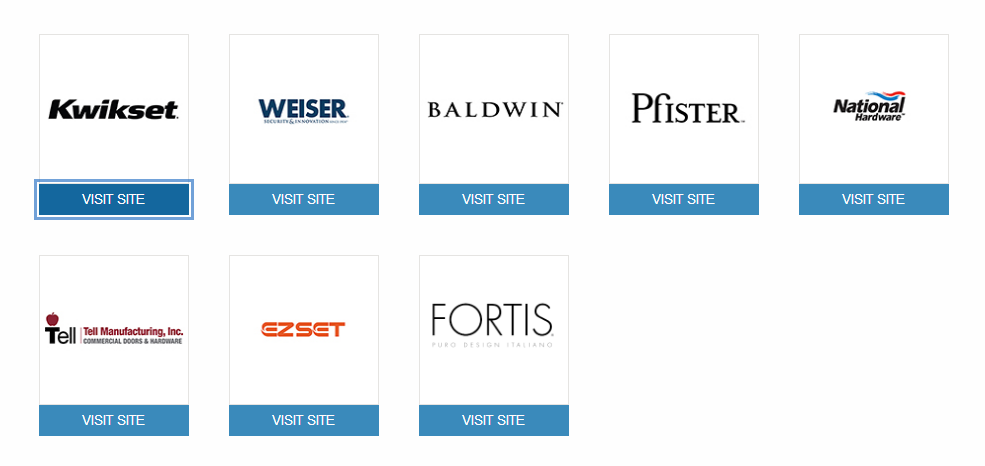
Karolo ea HHI e kenyelletsa 8 mefuta e meholo
Har'a bona, Pfister ke lets'oao le tsebahalang la ho hlapa la Amerika, e thehiloe ho 1910. E na le tse fetang 100 years of history now. Pfister’s Chinese name is “Puffy”. Ka Motšeanong 2014, Pfister held a press conference in Shanghai to announce its entry into the Chinese market. Hajoale, it has a flagship store in Shenzhen. Ho ea ka litaba tsa sechaba tsa AIC, the Pfister brand in China market is operated by Shenzhen Bosebel Household Co.

Lihlahisoa tsa lipompo tsa Pfister
Fortis, ka hlakoreng le leng, is an Italian brand based in the Pogno area. Fortis’ product range is similar to that of Pfister, which also focuses on faucet hardware, mainly for the middle and high-end consumer groups.

Lihlahisoa tsa Fortis faucet
According to Spectrum Brands Group’s fiscal year 2020 tlaleho ea lichelete, Khamphani e fumanoeng e fumanoeng ea $3.964 billion in the last fiscal year, of which the HHI division accounted for $1.342 limilione tse likete. Tlaleho ea lichelete e senotse hore lihlahisoa tsa ho hlapela li ikarabella 21% ea lekeno la karolo ea HHI, meaning that bathroom products contributed about $281 million in revenue.
A number of bathroom, cabinet companies have been selling business or operating rights
Roca e sa tsoa phatlalatsa hore e phethetse thekiso ea khoebo ea eona ea lithaele, the purchaser Mexico La Mossa Group to seven banks after a loan of $ 200 milione, kakaretso ea $ 260 million for the acquisition. Khamphani ea ntlo ea ho hlapela ea Poland Capricorn SA e boetse e senotse hore e tla rekisa likarolo tsohle tsa eona tse fanoeng ho senatla sa HVAC sa Finland Uponor.. In terms of cabinetry companies, Corsi in the U.S. also recently announced the transfer of ownership of the company from Pat Corsi to Mark Earl, a transaction that became effective on August 31.
Holim'a moo, there are also companies that are eager to transfer their operating rights but suffer from the lack of suitable transaction objects and have to end their operations. Kichine & Bath headlines previously reported that the German cabinet company Neue Alno had been actively looking for investors to take over the company, but the company recently said that due to the lack of a suitable transaction object. The company will end its operations at the end of September, and for some undelivered orders, the company will try to complete the delivery. It is reported that Neue Alno had previously attracted the attention of Chinese real estate giant Beyoncé, but the two sides did not finally reach cooperation. Phatlalatso ea ho emisoa ha ts'ebetso e siile barekisi ba bangata ba lehae le lingaka tsa Jeremane ba lla ka boemo bona..
Recalling the cabinet and business industry development so far this year, the divestiture of secondary business and focus on the main business has become the main reason for companies to sell subsidiaries, mefuta-futa. In today’s accelerated degree of industry consolidation, these are business practices and promote the growth of value in established areas. This certainly provides a new possibility for the development of the business.