 VIGA Korere Kaihanga
The well-known Sheraton Waikiki Hotel in Hawaii will celebrate its 50th anniversary next year according to reports. No tata nei, the hotel replaced all 1,635 rooms toilets with smart toilets. Smart toilets are set for a new outbreak in the US market.
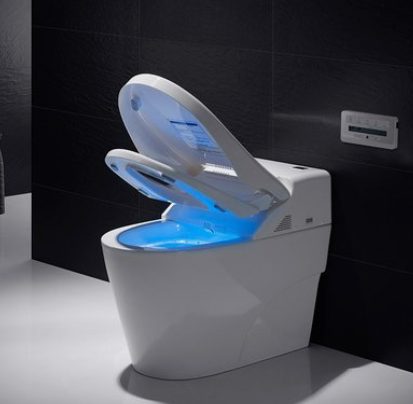
I whakapumautia i roto 1971, The Sheraton Waikiki Hotel is a four-star hotel that has spent US$220 million since 2019 on large-scale renovations, including the introduction of smart toilets products and bathtubs for all 1,635 ruma. The hotel’s room manager said that the hotel will be celebrating its 50th anniversary in 2021, hoping to use smart toilets as one of its selling points, thus the introduction of smart toilets comes at a time when the hotel is undergoing a complete renovation. I tua atu, many customers indicated in the questionnaire that they want to use smart toilets in hotels, and feel that guests have high expectations for smart toilets, which is why the hotel decided to introduce them on a large scale.
Fewer hotels in the U.S. currently use smart toilets or similar products on a large scale, Engari e whakaatu ana ko te whakaaturanga o nga wharepaku o te United i te United States kei te piki haere tonu, more and more American families are choosing these products. FORTUNE, USA TODAY, and other media also indicated that with the outbreak of COVID-19 , products such as smart toilets will see new development opportunities.

Covid-19 makes Americans to embrace te kamakama wharepaku
No tata nei, Nga U.S. Fortune website published an article titled “Will Coronavirus Finally Get Americans to Embrace the Bidet?” (tae atu ki nga wharepaku atamai, kaore i tino arohia i raro nei). The article argues that the panic of 1907 led to the creation of the Federal Deposit Insurance Corporation, and that the stock market crash of 1929 brought Americans WPA and Hoover Dam, and this COVID-19 outbreak may promote the popularization of toilets.
Articles from USA Today also expressed the same view, saying that the American people is beginning to embrace toilets or similar products. The article explains that since the inception of this product in France a few centuries ago, most Americans have scoffed at this product, Ahakoa Japan, Italy and other countries have used this product as the main method of post-poo cleansing, but today’s Americans may want to take a look at this product.
E mohiotia ana ko te United States, whare tuku, smart toilets or similar products often share an English name “bidets”. Ka tae mai ki nga bidets, they also include smart toilets. E ai ki te ripoata na Brg Whakatuturutanga o te Whare, the current market size of bidet in the United States is approximately USD106 million, and it is expected to grow by 15% e 2021. The smart toilet products produced by TOTO and Kohler start at about US$300 in the United States. I roto 2017, Kohler launched a survey on local customers, which showed that 33% of the surveyed users expressed curiosity about the smart toilet and intend to upgrade toilets for this purpose.
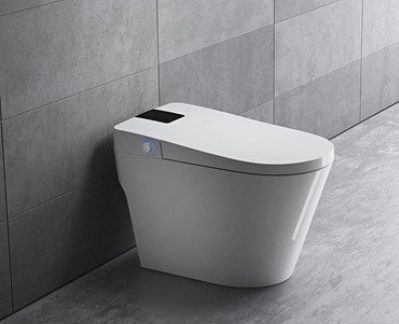
U.s. smart toilet sales continue to rise
It is said that products including bidets, wharepaku atamai, etc. were formerly bidets. Due to ideological and other reasons, Nga U.S. market is still not widely accepted this product. I roto 1964, Ko te kamupene wharepaku o Amerika te whakakotahi i te BiDet me te nohoanga wharepaku, and added a water spray function to create a prototype of the smart toilet and spread it to Japan. Engari tae noa ki te timatanga o tenei rautau, Americans were still reluctant to accept this product except for high-end hotels and niche venues such as Hollywood celebrities.
Heoi ano, with the increasing popularity of smart toilets in the world, Americans’ perceptions have begun to change. Mo tenei take, I nga tau tata nei, many smart bathroom brands have been rushing to the American market, which has greatly increased the sales of smart toilets in the United States, directly activating the local smart bathroom market.
Hei tauira, the sales volume of TOTO smart toilets has shown year-on-year growth in the U.S. market in recent years. Mai Aperira ki Tihema 2019, TOTO’s sales of smart toilets in the U.S. market increased by 21%, which is higher than that of mainland China (0%) me Ahia Te Moananui-a-Kiwa (14%) me etahi atu rohe. I Mei 2019, TOTO spent JPY 3.7 billion in Thailand to build the company’s fifth smart toilet production base in the world. The purpose is not only to expand the Thai market, Engari kia tutuki ano te hiahia o te tono mo nga hua penei i te maakete US.
No tata nei, there has been a craze of local purchases of smart toilets as the U.S. became the hardest hit by the COVID-19. A Kohler spokesperson said in a previous media interview that the sales of smart toilets began to pick up at the end of February. With the increase in the number of patients diagnosed in the United States, Ko nga hoko o nga wharepaku maamaa ka piki haere tere i te Maehe. I whai waahi ano a Toto ki te whakatairanga i ona hua wharepaku atamai, saying that it can provide “a more hygienic and paperless bathroom experience.”
Chinese companies rush to U.S. mākete
I tua atu i nga waitohu o nga iwi ke, Ko nga waitohu Hainamana kua kaha te tirotiro i te maakete kaukau o Amerika i nga tau kua pahure ake nei. I roto 2015, JOMOO appeared in the Silicon Valley of the United States with the new smart bathroom products that year, demonstrating JOMOO’S determination to enter the international market. E rua tau i muri mai, JOMOO chose to launch the M5 Masters Series advertisement in Times Square in New York, i aro ano hoki te aro o nga kaihoko a Amerika. I tua atu, the bathroom advertisements of DONGPENG, SSWW and other companies have also appeared on Times Square to speak for China’s smart bathroom.
As China’s smart bathroom production technology leaps forward, exporting related products to the U.S. has also become possible in recent years. On August 15th, 2018, te 2,400 smart toilet seats produced by Zhejiang iKAHE Sanitary Ware Co., Ltd., i wehea kia rua nga ipu ka tukuna ki te tauranga ningbo. E rua nga ra i muri mai, I whakamanahia ratou, ka tukuna ki te United States, becoming the first batch of “Made in Taizhou” smart toilet products that successfully entered the US market.
It can be seen that as a part of smart manufacturing, smart toilets have begun to leave the country in recent years after completely eliminating the industry haze of “going to Japan to buy toilet seats”. This has great significance no matter from the perspective of the sanitary ware industry or the entire Chinese manufacturing industry.