 English
 Deutsch
 Français
 Italiano
 Español
 Português
 Nederlands
 Polski
 Русский
 日本語
日本語 한국어
한국어 العربية
 China Faucet Factory & OEM/ODM Faucet Manufacturer
TL;DR: A counterfeit AXOR faucet just won second place at the “Plagiarius” award – Germany’s annual “anti-award” for the year’s most brazen rip-offs. Hansgrohe spent months working with Chinese authorities to bust the counterfeiting ring behind it. The fake wasn’t just a cheap knockoff – it was part of a professionally organized network copying both the design and the brand name. Here’s what happened and why it matters if you’re buying premium bathroom fixtures.
The Award Nobody Wants to Win
Every year at the Ambiente trade fair in Frankfurt, the Plagiarius Award is handed out. It’s not the kind of award you’d put on your website. It’s a “negative prize” – a satirical distinction meant to expose the most brazen product counterfeiters of the year. Think of it as the Oscars for bad behavior, except nobody’s giving an acceptance speech.
This year, second place went to a knockoff of the AXOR MyEdition faucet. The counterfeit was so convincing that it took professional investigation to track down its source. And the source turned out to be a well-organized counterfeiting network operating out of China.
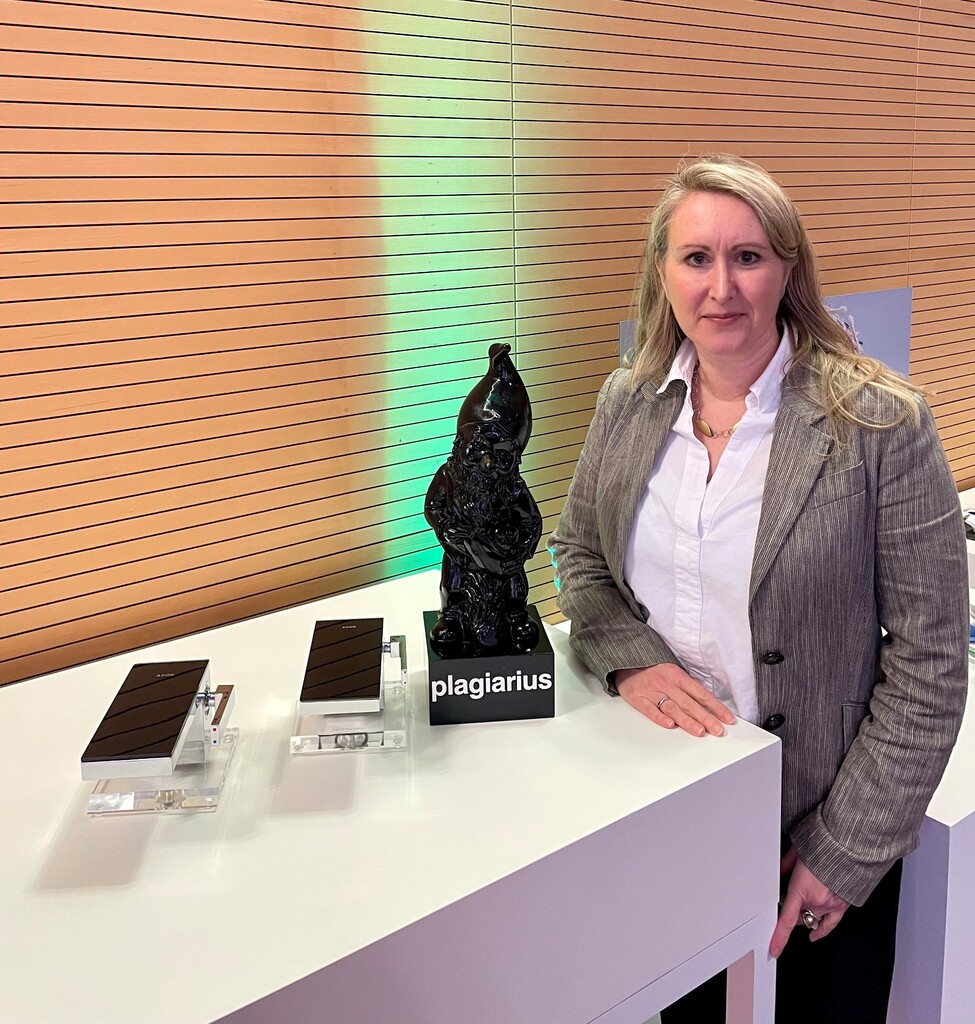
Hansgrohe Group at the Plagiarius award ceremony in Frankfurt, displaying the counterfeit AXOR faucet alongside the black “Plagiarius” trophy.
How Hansgrohe Tracked Them Down
Hansgrohe didn’t stumble onto this operation by accident. The company hired undercover investigators to locate the network’s warehouses. After months of detective work, they gathered enough evidence to bring in the Kaiping Public Security Bureau. The raid hit two counterfeiter hideouts and warehouses in Jiangmen City, Guangdong Province.
The haul? Counterfeit goods worth an estimated €360,000 – if they had been genuine Hansgrohe and AXOR products. Three key individuals were arrested.
The fake AXOR MyEdition faucet that ended up on the Plagiarius display was one of the products seized during that operation.
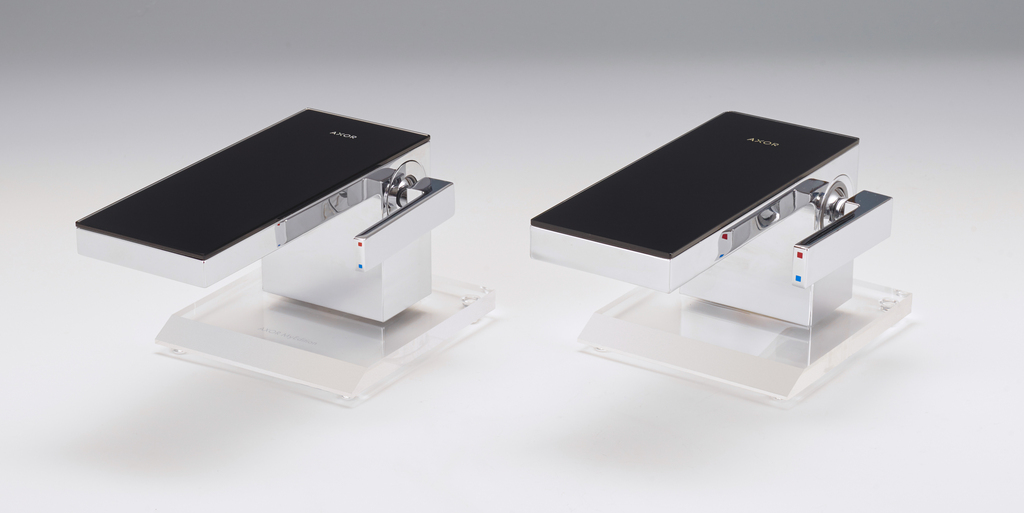
2026 Plagiarius second prize – AXOR MyEdition basin mixer. Left: genuine Hansgrohe original. Right: counterfeit.
Why This Actually Matters
This isn’t just a brand protecting its bottom line. Counterfeit sanitary products are a genuine safety risk. Cheap materials can leach harmful substances or heavy metals into your water. You’re not just buying a faucet that might break – you could be buying something that’s actively bad for your health.
Hansgrohe estimates that product piracy costs the industry 5 to 10 percent of global sales. That’s not pocket change.
The company has been fighting this battle for a while. Back in the early 2000s, when the Raindance shower line launched, counterfeit goods showed up in container-load quantities. Hansgrohe responded with very public destruction campaigns – steamrollers, shredders, the whole dramatic display.
Today, the game has changed. Counterfeiters work in small batches, on-demand, selling through online platforms like Taobao and WeChat. They use AI to create marketing materials that look convincingly real. Harder to track, harder to shut down.
What Hansgrohe Is Doing About It
The company is part of the Action Group Against Product and Brand Piracy (APM) , sharing intelligence with other manufacturers. And for customers in China, they’ve rolled out a new anti-counterfeiting system – a unique QR code on every single product that you can scan and verify through an app.
About 95 percent of counterfeit Hansgrohe products originate in China. The market is both the production hub and the primary sales channel. It’s a complex legal environment, and platforms don’t always cooperate. But the company keeps pushing.
The Takeaway
A counterfeit AXOR faucet got an award for being a really good fake. Hansgrohe helped bust the ring that made it. And if you’re shopping for premium bathroom fixtures, there’s a lesson here: if the price looks too good to be true, it probably is. Cheap knockoffs aren’t just bad for the brand – they can be bad for you.
WeChat
Scan the QR Code with WeChat