 English
 Deutsch
 Français
 Italiano
 Español
 Português
 Nederlands
 Polski
 Русский
 日本語
 한국어
 العربية
 China Faucet Factory & OEM/ODM Faucet Manufacturer
Choosing between faucet manufacturers in China requires comparable evidence for the product you intend to buy. This checklist is written for importers, distributors, brands and project buyers comparing suppliers. It is a sourcing guide from VIGA, not a ranking of competing manufacturers.
Use it to build a shortlist, compare like-for-like quotations and decide what must be verified before a purchase order. For VIGA’s company and product introduction, start at our faucet factory homepage.
1. Define the product before building a shortlist
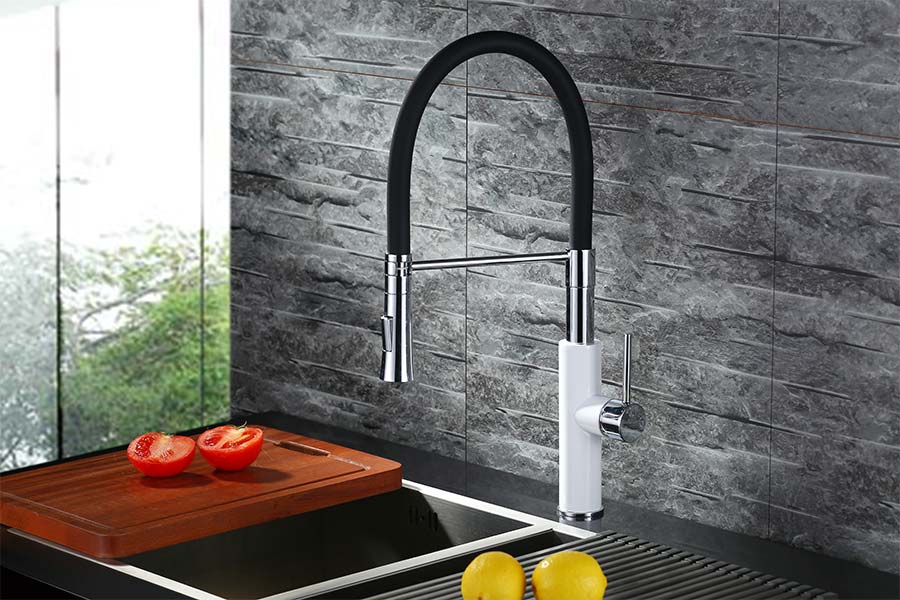
Specify the intended installation, dimensions, connection requirements, material, finish, quantities and destination market. Identify which components and accessories must be included. A low quote for a different configuration is not a useful benchmark.

2. Verify the contracting entity and production responsibilities
Ask who will issue the quotation and invoice, who manufactures the product, and which site will carry out the agreed work. Clarify any external processing or subcontracted assembly. Confirm the route for technical questions, inspection access and after-sales support.
A manufacturer and a trading company can offer different arrangements. Neither label alone guarantees a lower total cost or better quality. Compare the actual responsibilities, traceability and response process offered for your order.
3. Compare capability with evidence
- Product fit: request a model list, drawings and component specifications matching your brief.
- Production scope: review current workshop information and ask who controls each important operation.
- Quality records: request a proposed inspection plan and examples of the records supplied with orders.
- Documentation: check whether the documents offered cover the exact model and destination requirements you specified.
- Capacity and timing: ask for the proposed schedule, dependencies and how delays or specification changes are communicated.
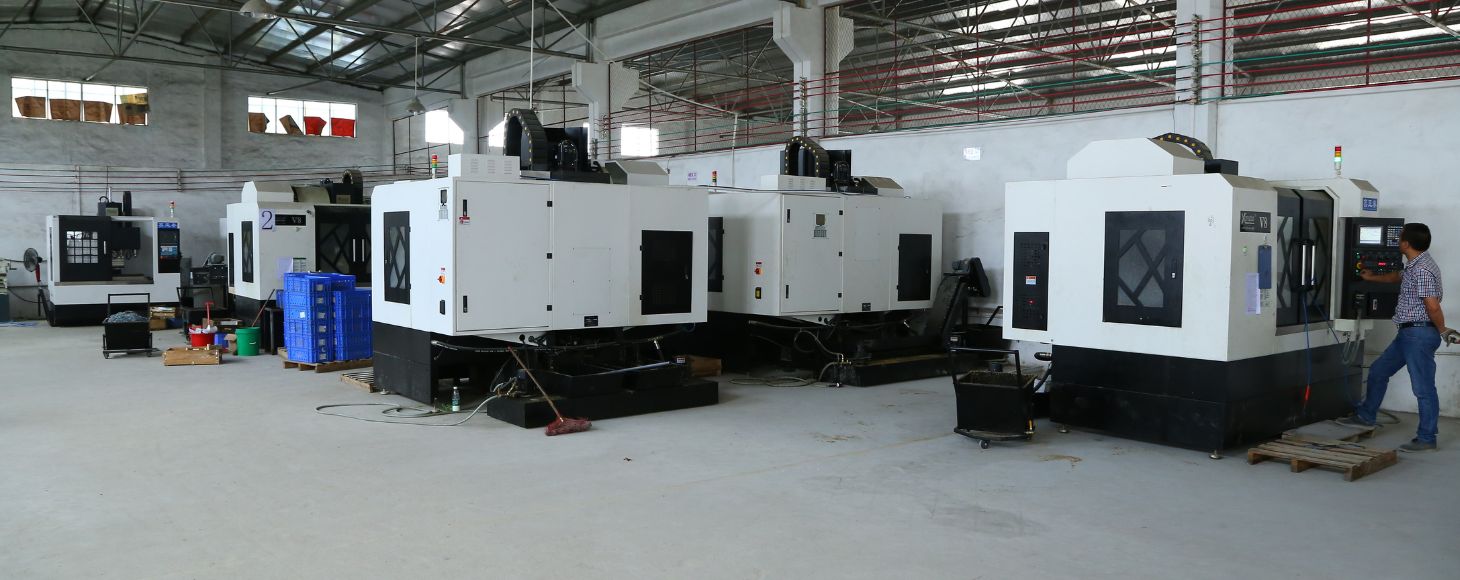
For a discussion with VIGA, use the factory production and quality review to prepare questions. Factory images introduce the site; they do not replace current records or an order-specific inspection agreement.
4. Build a like-for-like quotation comparison
Use one comparison sheet for every supplier, with these fields:
- Model, drawing revision, finish and included components.
- Quantity and minimum order by model and finish.
- Unit price, currency and quotation validity.
- Sample, development, tooling and packaging charges.
- Inspection arrangements and any third-party costs.
- Delivery terms, named destination and transport responsibilities.
- Payment milestones, lead-time starting point and proposed shipment window.
- Spare parts, warranty terms and the procedure for handling defects.
Flag missing information rather than assuming it is included. Review the total quoted scope and the cost of resolving problems, alongside the unit price.
5. Use samples and documents to resolve uncertainties
Check the sample against the agreed drawing, finish reference, included components and functional requirements. Record any changes before approving production. Confirm whether supporting documents correspond to the supplied configuration and remain valid for the intended use.
You can review VIGA’s published certificate documents, then request confirmation of the relevant model and scope. A general claim such as “certified quality” is not a substitute for this check.
6. Agree the next step with the shortlisted supplier
For an OEM or ODM project, use our custom faucet project guide to clarify design responsibilities, sample approval and change control. Put the final specification, inspection arrangement and commercial terms into the purchase agreement.
To include VIGA in your shortlist, send us your sourcing brief with model references, quantities by finish, destination market and requested timing. Ask for a quotation and supporting information against the same brief used for other suppliers.
Related product and sourcing guides
- certifications page
- bathroom manufacturers in China
- how to choose a faucet manufacturer
- thermostatic shower system manufacturer
- basin mixer tap manufacturer
- angle valve and brass fittings manufacturer
- sensor faucet manufacturer
- faucet supplier
- floor drain manufacturer
- shower faucet manufacturer
- shower head manufacturer
- brass faucet manufacturer
- stainless steel faucet manufacturer
- commercial faucet manufacturer
- stainless steel kitchen faucet manufacturer
- stainless steel basin faucet manufacturer
- stainless steel shower faucet manufacturer
- brass kitchen faucet manufacturer
- brass basin faucet manufacturer
- brass shower faucet manufacturer
- bath faucet manufacturer
- shower fitting manufacturer
- widespread bathroom faucet manufacturer
- shower column set manufacturer
- kitchen sink manufacturer
- freestanding tub faucet manufacturer
- single cold tap manufacturer
- shower spray manufacturer
- cup washer manufacturer
- bidet faucet manufacturer
- pot filler kitchen faucet manufacturer
- faucet MOQ
- faucet quality control
- brass vs stainless steel faucet
- faucet finish comparison
WeChat
Scan the QR Code with WeChat