 English
 Deutsch
 Français
 Italiano
 Español
 Português
 Nederlands
 Polski
 Русский
 日本語
日本語 한국어
한국어 العربية
 China Faucet Factory & OEM/ODM Faucet Manufacturer
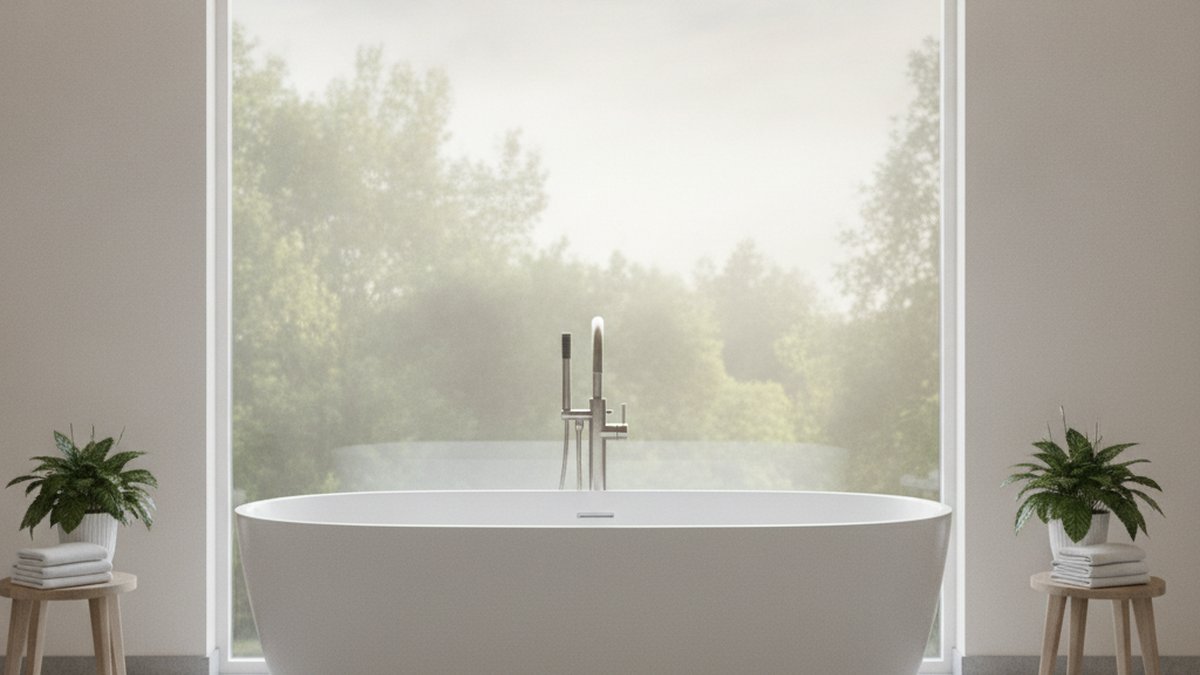
If you’ve been hunting for a moen eva freestanding tub faucet and coming up frustrated, you’re not imagining things. The Eva name is one of Moen’s most recognizable bathroom collections — soft curves, a gentle European-transitional vibe, and finishes like brushed nickel, chrome, and oil-rubbed bronze. But “freestanding tub faucet” is a very specific plumbing category, and that’s where shoppers get tripped up. This article clears up exactly what exists, what doesn’t, and how to get the Eva look on a freestanding tub without buying the wrong part and eating a return shipping fee.
Does Moen Actually Make an Eva Freestanding Tub Faucet?
Short answer: not as a dedicated floor-mounted freestanding tub filler. The Eva line is built around lavatory (sink) faucets and tub/shower trim kits that mount to a wall or a tub deck. There is no standard SKU that is a tall, floor-standing Eva tub filler the way you’d find in a dedicated freestanding-filler collection.
Here’s why that matters. A freestanding tub filler is a plumbing fixture that rises straight up from the floor next to a standalone tub, carries hot and cold supply lines inside the riser, and usually includes a handheld sprayer on the body. It requires a floor rough-in (or a validated floor-mount supply kit) and a much taller, more rigid design than a wall- or deck-mounted spout. The Moen Eva freestanding tub faucet people picture in their heads is really “the Eva aesthetic applied to a freestanding format” — and that’s a design match problem, not a single product you can add to cart.
So you have three honest paths: (1) use an Eva-style Roman/deck-mount tub set if your tub or a platform has a deck, (2) buy a Moen freestanding tub filler from a different collection and match the finish to your Eva sink faucets, or (3) buy a well-built freestanding filler from a value-focused brand and match the curves and finish. We’ll walk through each.
What’s the Difference Between a Freestanding, Deck-Mount, and Wall-Mount Tub Faucet?
The quick answer: it comes down to where the faucet physically connects — the floor, the tub deck, or the wall — and that single fact decides your whole rough-in. Pick the wrong mount type and no finish or brand will save the install.
- Freestanding (floor-mount): A tall riser bolts to the floor beside a standalone tub. Supply lines run up through the riser. Best for modern soaking tubs with no deck. Needs a floor rough-in or an approved floor-mount supply/valve kit.
- Deck-mount / Roman tub: Mounts through holes drilled in the flat rim (deck) of the tub or a surrounding platform. This is where an Eva-style set can genuinely live if you have a decked tub.
- Wall-mount: Spout and handles come out of the wall behind the tub. Common with alcove and drop-in tubs and standard Eva tub/shower trim.
If you truly have a freestanding tub sitting in open floor space, you need a floor-mount filler — full stop. Trying to force a deck or wall spout onto a freestanding tub leads to sketchy brackets and leaks. If you’re unsure how the water even gets to a floor-standing spout, our explainer on the freestanding tub faucet with wall water inlet breaks down the supply routing in plain language.
What Are My Best Options If I Want the Eva Look on a Freestanding Tub?
The best move is to match the Eva’s design language — soft curved spout, clean lever handle, and a warm finish — rather than chase a product code that doesn’t exist. You have a few solid routes depending on your tub and budget.
Option 1: Pair an Eva-style deck set with a tub platform
If your tub has (or can get) a deck, a Roman tub faucet in an Eva-adjacent style gives you the curves you want with the sprayer you probably need for washing hair and rinsing the tub. This is worth considering if you’re building a platform anyway. If you go this route, understand your hole layout first — our guide to the Roman tub faucet with sprayer 4-hole setup explains exactly which configuration fits and why the hole count matters before you drill.
Option 2: A dedicated freestanding filler with a matching finish
For a genuine standalone tub in open floor space, buy a purpose-built freestanding tub filler and match its finish to your existing Eva sink faucets (brushed nickel to brushed nickel, chrome to chrome). A curved-spout floor filler with a lever handle reads as “transitional” and sits comfortably next to Eva lavatory faucets in the same room. This is where a value brand like VIGA is genuinely competitive — you get the tall curved silhouette and handheld sprayer at a fraction of premium pricing, without a visible design clash.
Option 3: Keep the sink faucets Eva, choose any coordinating filler
Nobody inspecting your bathroom will demand that the tub filler and the sink faucet be the same collection name. What people notice is finish consistency and roughly matching lines. So keep your Eva lavatory faucets, then pick a freestanding filler whose finish and curve profile play nicely with them.
Moen Eva vs. a Dedicated Freestanding Tub Filler: How Do They Compare?
The honest comparison: Eva wins on brand-family cohesion for sinks and wall trim, while a dedicated freestanding filler wins on being the correct fixture for a standalone tub. Here’s the side-by-side.
| Feature | Moen Eva (line as sold) | Dedicated freestanding filler (e.g. VIGA / Moen freestanding lines) |
|---|---|---|
| Primary format | Lavatory faucets + wall/deck tub-shower trim | Floor-mounted riser for standalone tubs |
| Fits a true freestanding tub? | Not directly (no floor-mount SKU) | Yes — designed for it |
| Handheld sprayer | Not typical on the spout | Usually included |
| Finish options | Chrome, brushed nickel, oil-rubbed bronze | Chrome, brushed nickel, matte black, brushed gold, ORB |
| Rough-in needed | Wall or deck | Floor (or approved floor-mount supply kit) |
| Typical price range | ~$90–$260 (sink/trim) | ~$150–$700+ depending on brand |
| Best for | Coordinating sink + alcove/drop-in tub | Modern standalone soaking tub |
The takeaway: if your bathroom has an alcove or drop-in tub and you love the Eva look, the Eva line is a great, coherent choice. If you have a true freestanding soaker sitting in the open, you need a floor-mount filler — and matching the finish is what makes it look intentional.
How Do I Choose the Right Finish So Everything Matches?
Match the finish first, the exact model second. Finish is what the eye reads across a room, so pick one finish family and hold the line on every fixture — tub filler, sink faucets, and shower trim.
Eva’s most popular finishes are brushed nickel (warm, forgiving on water spots and fingerprints), chrome (bright, budget-friendly, easy to match), and oil-rubbed bronze (dark, traditional, dramatic). If you’re leaning ORB for a warmer, older-world bathroom, our deep dive on whether an oil rubbed bronze color faucet still makes sense in 2026 covers upkeep and matching. And if you’re drawn to a brighter, more refined metal, the breakdown of the polished nickel faucet handle explains how it differs from brushed nickel and chrome so you don’t accidentally mix three “silver” tones that don’t agree.
- Brushed nickel: hides spots and fingerprints — best for busy family bathrooms.
- Chrome: easiest to match to existing hardware, shows water spots more.
- Oil-rubbed bronze: warm and traditional, pairs with beige/cream tile and warm lighting.
- Matte black / brushed gold: modern statement finishes — great on a freestanding filler if the rest of the room supports it.
Is a Freestanding Tub Filler Hard to Install, and What Should I Know First?
The honest answer: a freestanding filler is more involved than a sink faucet but very doable with the right rough-in, and the single biggest factor is whether your floor supply lines were roughed in for it. If they were, you’re mostly bolting and connecting. If they weren’t, you’re opening the floor — that’s a plumber conversation.
A few things that save headaches:
- Confirm the rough-in early. Freestanding fillers need supply stubs coming up through the floor in the right spot. Measure before you buy.
- Check the mounting base. A heavy floor filler needs a solid subfloor anchor. A flimsy base is the number-one cause of a wobbly, leaking tub filler.
- Seal threaded joints properly. Use thread tape or the right sealant on threaded connections — the same discipline that applies to spouts. Our guide on what to use for tub spout installation (sealant vs. thread tape vs. nothing) applies directly to filler connections too.
- Test at low pressure first. Turn water on slowly and watch every joint for weeping before you call it done.
If you’re not comfortable working with floor supply lines, this is a fixture worth a pro install. The faucet is affordable; water damage under a floor is not.
How Much Should I Budget for a Freestanding Tub Filler in 2026?
Plan on roughly $150–$400 for a solid mid-range freestanding tub filler with a handheld sprayer, and $500–$800+ for premium brand-name units. The Eva line itself (as sink faucets and trim) usually lands in the ~$90–$260 range, but remember that’s not the floor-mount format.
Where your money actually goes on a freestanding filler:
- Valve quality — a smooth, drip-free ceramic-disc cartridge is worth paying for.
- Riser rigidity — thicker brass tubing resists the wobble that plagues cheap fillers.
- Finish durability — a properly plated finish resists tarnish and matches your sink faucets for years.
- Sprayer diverter — a clean-switching diverter that doesn’t dribble from the spout while spraying.
Value brands like VIGA compete hard in the mid-range: you get the brass riser, ceramic-disc valve, and included handheld sprayer without the premium-brand markup. The trade-off is fewer boutique finish options and a less famous name — which, for a fixture most guests will simply describe as “nice,” is often a smart place to save.
Author Note & Why You Can Trust This Guide
This guide was written by the VIGA product content team — we design, manufacture, and sell faucets and bathroom fixtures, including freestanding tub fillers, so we spend our days on rough-in dimensions, valve cartridges, and finish durability. We’re not affiliated with Moen; we reference the Eva collection here only to answer the real question shoppers ask, and we’ll tell you plainly when a product you’re searching for doesn’t exist in the format you expect.
VIGA fixtures are engineered to established plumbing standards for flow and durability, tested for leak-tightness and finish wear, and backed by warranty coverage on the valve and finish. When we quote pressure or install steps, it’s from hands-on fixture testing, not guesswork. As always, confirm your specific local plumbing code and your tub’s rough-in before buying any tub filler — the right fixture for your neighbor’s bathroom may be wrong for yours.
FAQ
Is there an official Moen Eva freestanding tub faucet I can just buy?
No standard floor-mounted freestanding tub filler exists under the exact Eva name. Eva is sold as lavatory faucets and wall/deck tub-shower trim. To get the Eva look on a freestanding tub, match the finish and curved styling with a dedicated freestanding filler, or use an Eva-style deck set if your tub has a platform.
Can I put a Moen Eva tub spout on a freestanding tub?
Not safely. Eva tub spouts are designed for wall or deck mounting. A freestanding tub in open floor space needs a floor-mounted riser that carries the supply lines up from the floor. Forcing a wall/deck spout onto a standalone tub leads to unstable brackets and leaks.
What’s the best finish to match my existing Eva bathroom faucets?
Match the exact finish family you already have — brushed nickel to brushed nickel, chrome to chrome, or oil-rubbed bronze to ORB. Finish consistency is what the eye reads across a room, so keeping one finish makes a non-Eva freestanding filler look completely intentional next to your Eva sink faucets.
Does a freestanding tub filler come with a handheld sprayer?
Most dedicated freestanding fillers include a handheld sprayer on the body with a diverter, which is one of their big advantages — it makes rinsing hair and cleaning the tub far easier. Standard Eva tub spouts typically don’t include an integrated sprayer, so a dedicated filler often gives you more function.
Do I need a plumber to install a freestanding tub filler?
If your floor was already roughed in for a freestanding filler, a confident DIYer can install it in an afternoon — bolt the base, connect the supply lines, seal the threaded joints, and pressure-test slowly. If the floor supply lines aren’t in place, you’ll need to open the floor, and that’s a job for a licensed plumber to avoid hidden water damage.
WeChat
Scan the QR Code with WeChat